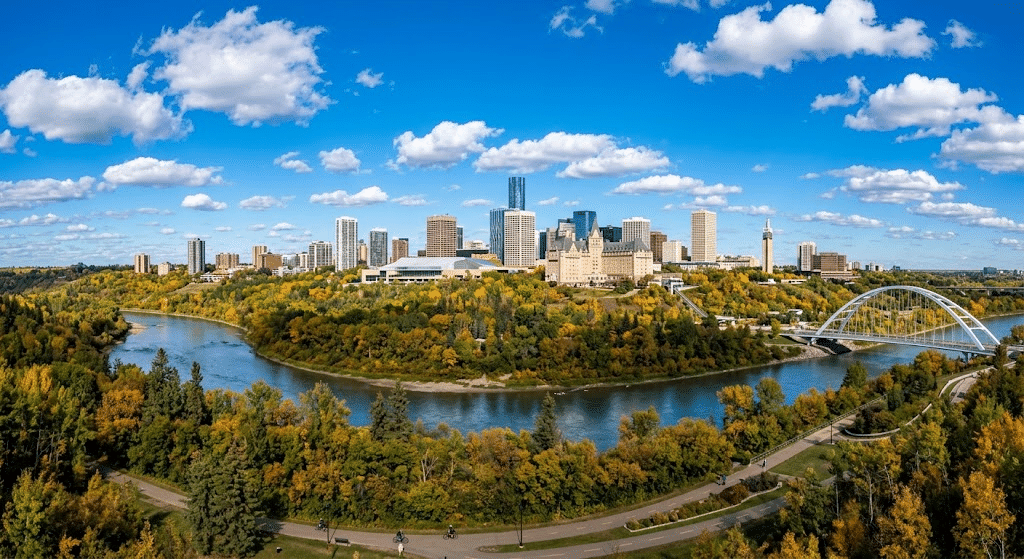
Understanding the weather edmonton climate is your absolute key to unlocking the vibrant life, breathtaking outdoor activities, and unique seasonal charm of Alberta’s famous capital city. Edmonton boasts a dynamic warm-summer humid continental environment that brings four distinct, beautifully contrasting seasons to life each year. Whether you are planning a weekend mountain getaway, packing for a crisp autumn festival, or preparing for winter snowfall, tracking daily forecasts helps you stay comfortable and confident. Local residents and international travelers alike love the bright sunshine that frequently fills the vast blue skies across Northern Alberta. Knowing what to expect from the morning air to late afternoon breeze ensures you always get the very best experience outdoors.
Understanding the Dynamic Four Seasons of Weather Edmonton
The magnificent weather edmonton cycle features continuous seasonal transformations that completely refresh the local landscape every few months. Springs start out crisp and fresh, melting winter snow while bringing lush greenery back to the famous North Saskatchewan River Valley. Summer arrives with gloriously long, sunny days where the sun stays bright well into late evening hours. Autumn transforms the cityscape into an astonishing canopy of vibrant yellow and deep gold leaves alongside brisk, refreshing afternoon air. Winter delivers a magical wonderland filled with crisp snow, ice skating opportunities, and incredibly clear blue skies. Embracing these natural transitions makes living in or visiting this energetic northern city an unforgettable adventure throughout the entire calendar year.
Bright Summer Sun and Warm Days in Weather Edmonton
Summers deliver pure delight to everyone spending time outdoors across the city, featuring comfortably warm temperatures and endless daylight hours. During July and August, daily high temperatures average around 23°C to 24°C (73°F to 75°F), making outdoor festivals exceptionally enjoyable. The unique northern geography provides up to seventeen hours of daily sunlight, giving you plenty of extra time to explore parks, patio dining, and golf courses. While occasional afternoon thunderstorms bring refreshing rain showers, the sunshine returns quickly to warm the dry air. Wearing light clothing layers, applying sun protection, and staying hydrated ensures you enjoy every golden summer moment to the absolute fullest extent.
Crisp Autumn Breeze and Vibrant Colors in Weather Edmonton
Autumn introduces a magical phase when autumn foliage lights up the surrounding river valley with stunning shades of gold and amber. Temperatures comfortably transition from cool 15°C (59°F) afternoon highs down toward freezing night temps as November approaches. This season brings delightfully lower humidity levels and exceptionally clear afternoon conditions, perfect for family photography and brisk trail hikes. Because conditions change rapidly during seasonal shifts, carrying a light windbreaker or cozy fleece jacket keeps you comfortable during early morning commutes. Paying close attention to daily forecasts ensures you capture peak foliage colors and enjoy cozy outdoor bonfires under starlit prairie skies.
Embracing the Magical Snowy Winter Weather Edmonton Brings
Winter turns the northern landscape into a stunning winter sports wonderland, attracting skiers, snowshoers, and winter lovers from all around. While January brings average cold temperatures dropping to −15°C (5°F), the city frequently enjoys bright, brilliant sunshine even on icy winter days. High-quality thermal layers, insulated jackets, warm beanies, and reliable winter boots keep you cozy while exploring winter ice castles and festive outdoor markets. Snowfalls create ideal conditions for cross-country skiing across pristine river valley park trails throughout the neighborhood. Preparing your vehicle with snow tires and keeping emergency kits handy guarantees smooth and safe travel whenever winter snowstorms sweep across Alberta.
Refreshing Spring Transitions and Blooming Days in Weather Edmonton
Springtime represents an exciting period of renewal as daily sunlight hours expand rapidly and daily temperatures climb steadily upward. March and April bring mixed conditions, blending afternoon snowmelts, light spring rain, and pleasantly warm sunny days. Daily high temperatures rise from 3°C (37°F) in early spring up to an enjoyable 18°C (64°F) by late May. Local gardens bloom into full color, while wildlife returns to riverbanks and city conservation areas. Dressing in versatile layers allows you to adapt instantly to cool morning breezes and warm, sunny afternoon walks. Spring offers a wonderfully uplifting atmosphere full of fresh air and vibrant outdoor community events.
Comprehensive Monthly Overview of Weather Edmonton
To help you plan activities, travel itineraries, and wardrobing needs perfectly, here is a detailed overview of the monthly climate data:
| Month | Average High Temp (°C / °F) | Average Low Temp (°C / °F) | Typical Conditions |
| January | -6°C / 22°F | -13°C / 8°F | Cold, crisp snow, bright sunshine |
| February | -3°C / 27°F | -12°C / 11°F | Crisp winter air, clear skies |
| March | 3°C / 37°F | -7°C / 20°F | Early spring melt, breezy |
| April | 12°C / 53°F | 1°C / 33°F | Mild afternoons, fresh rain |
| May | 18°C / 64°F | 6°C / 43°F | Warm, sunny, green blooming |
| June | 21°C / 70°F | 11°C / 51°F | Very long daylight, comfortable |
| July | 23°C / 74°F | 13°C / 55°F | Peak summer heat, sunshine |
| August | 22°C / 72°F | 11°C / 52°F | Pleasant warm days, clear |
| September | 18°C / 64°F | 6°C / 43°F | Crisp autumn air, golden leaves |
| October | 10°C / 50°F | 1°C / 33°F | Cool breezes, light frost |
| November | 0°C / 32°F | -7°C / 19°F | Early winter snow, chilly |
| December | -5°C / 23°F | -13°C / 9°F | Festive snow, frosty nights |
How the North Saskatchewan River Valley Influences Local Conditions
The magnificent North Saskatchewan River Valley winds directly through the heart of the city, significantly impacting localized microclimates and shelter from winds. This massive urban parkland offers dense tree cover that buffers chilly winds during winter months while providing refreshing shade during summer heatwaves. The lower elevation along the river trails often holds cool air during calm spring mornings, creating ideal conditions for early workouts. Exploring the valley allows residents to enjoy nature trails without leaving the urban center. Understanding these subtle microclimates helps hikers and cyclists choose the absolute best routes for outdoor recreation regardless of seasonal shifts.
Essential Packing Guide for Any Weather Edmonton Throws Your Way
Packing smart for your trip ensures total comfort no matter what seasonal conditions arrive during your visit. During summer months, bring breathable cotton shirts, comfortable walking shoes, sunglasses, a broad-spectrum sunscreen, and a lightweight waterproof rain layer for sporadic afternoon showers. For autumn and spring trips, pack versatile layers like denim jackets, cozy sweaters, insulated vests, and water-resistant footwear. When traveling during winter, focus heavily on quality insulation: heavy down parkas, thermal base layers, fleece hoodies, wool socks, insulated gloves, and wind-resistant outerwear. Packing properly allows you to confidently explore every festival, park, and historic landmark in complete comfort.
How Sunlight and Long Days Boost Energy Across the Region
One of the most remarkable features of the northern prairie environment is the abundance of bright, cheerful sunshine experienced year-round. Even during the cold months, the city frequently ranks among the sunniest locations across Canada, receiving over 2,300 hours of bright daylight annually. This consistent sunlight keeps spirits high, enhances outdoor visibility, and provides breathtaking natural light for urban photography enthusiasts. During midsummer, twilight extends deep into the night, allowing families to enjoy outdoor concerts, night markets, and late evening strolls. The abundance of natural light creates an energetic atmosphere that invigorates both long-term residents and first-time tourists alike.
Outdoor Recreation Tips to Enjoy Weather Edmonton Conditions
Staying active outdoors is deeply woven into the local culture, regardless of what the weather forecaster predicts for the day. In warmer months, rent a kayak along the river, jog through lush parkways, or enjoy patio dining downtown under sunny skies. During cooler months, bundle up to enjoy outdoor ice skating rinks, downhill snow tubing, snowshoeing trails, and colorful winter light festivals. Always check the current hourly radar and wind conditions before embarking on long trail journeys. Staying prepared with proper gear ensures every outdoor excursion remains safe, highly enjoyable, and packed with wonderful memories with family and friends.
Real Insights for Daily Travel and Driving Comfort
Navigating roads comfortably throughout the year simply requires a little foresight, basic preparation, and awareness of seasonal road conditions. Spring and autumn rain or winter snowfall can affect highway conditions, making high-quality tires and gentle driving speeds essential for road safety. Installing winter tires before the first major snowfall dramatically improves vehicle traction on icy neighborhood streets. Keep an ice scraper, a warm blanket, windshield washer fluid, and a portable phone charger in your vehicle trunk during winter trips. Staying informed through live transit updates and road condition apps guarantees stress-free travel across the metropolitan area every day.
Frequently Asked Questions
What is the sunniest time of year to visit the city?
July and August offer the sunniest conditions alongside the warmest afternoon temperatures of the entire year. Visitors enjoy up to seventeen hours of daylight, making summer ideal for outdoor exploration.
How cold does it typically get during winter months?
Winter daytime highs average around −5°C to −10°C (23°F to 14°F), while night lows can dip below −15°C (5°F). High-quality thermal layers and heavy winter parkas keep you warm and cozy outdoors.
Does it rain frequently during summer in Alberta?
The region enjoys a relatively dry climate year-round. Summer brings brief, refreshing afternoon thunderstorms, but prolonged rainy days are quite rare, allowing sunshine to return quickly.
What clothing should I wear during spring and autumn?
Dressing in flexible layers is the best approach for spring and fall. Wear a comfortable shirt under a fleece sweater or light jacket so you can adapt easily as temperature levels rise through the afternoon.
Why is the river valley climate unique compared to downtown street levels?
The North Saskatchewan River Valley creates a sheltered microclimate that blocks harsh winds in winter and provides cool, shaded forest paths during hot summer days.
How can visitors safely prepare for unexpected weather changes?
Always check the live local radar forecast before heading outdoors, pack a light water-resistant outer shell, and carry plenty of drinking water when exploring longer park trails.
Conclusion
Mastering the unique patterns of weather edmonton opens up a world of exciting outdoor possibilities across every single season of the year. From glowing summer afternoons spent along riverways to crisp winter days under brilliant blue skies, this vibrant city offers endless joy for those who come prepared. Equip yourself with the right clothing layers, keep an eye on daily forecasts, and jump headfirst into the rich cultural and outdoor experiences waiting for you! Share your favorite seasonal memories with friends, bookmark this guide for future trip planning, and start mapping out your next incredible northern journey right now!
Leave a Reply