Is Water Wet? Solving the Internet’s Favorite Mystery
Have you ever sat around a campfire and asked your friends a tricky question? One of the biggest head-scratchers of our time is simple: is water wet? It sounds like a joke at first. Of course, we feel it when we jump into a pool. We feel it when it rains on our heads. But when you look at the science, the answer gets a bit more complex and fun.
I remember the first time my nephew asked me, “is water wet?” during a beach trip. I laughed and pointed at the ocean waves. But then he asked me if the water was wet before it touched his skin. That made me stop and think. This article explores that exact question. We will look at science, logic, and even a few jokes to find the truth together.
The Big Debate: Is Water Wet or Dry?
When people ask, “is water wet or dry,” they are usually looking for a simple “yes” or “no.” Most people would say that water is definitely not dry. Dryness is the total absence of moisture or liquid. Since water is a liquid, it cannot be dry by definition. However, that does not mean everyone agrees that it is wet. It sounds like a riddle, doesn’t it?
The debate usually splits people into two main camps. One side says that anything covered in liquid is wet. The other side says that wetness is only a feeling we get. They argue that water itself is the thing that makes other things wet. This leads us to wonder, “is water wet?” or is it just the source of wetness for everything else it touches?
Understanding the Sensation of Wetness
To answer “is water wet?” we have to talk about how our bodies work. Humans do not actually have “wetness” sensors on our skin. We have sensors for pressure, texture, and temperature. When we touch water, our brain combines those signals. The cold feeling and the way the liquid moves tells our brain, “Hey, this is wet!” It is a very clever trick of the mind.
If you ever wore a thin latex glove and dipped your hand in water, you might feel wet. But when you pull your hand out, your skin is perfectly dry. This shows that wetness is often just a perception. This is a huge part of the “is water wet scientific answer.” It is more about how we feel things than what the liquid is doing on its own.
What Does “Wet” Actually Mean?
If we want to know “is water wet?” we need a clear definition of the word. Most dictionaries say that wet means being covered or soaked with a liquid. If you pour water on a cotton t-shirt, the t-shirt becomes wet. The water molecules stick to the fibers of the cloth. In this case, the shirt is the object that has changed its state from dry to wet.
But can a liquid cover itself? This is where the “is water wet scientific answer” gets tricky. Some scientists say that because water molecules stick to each other, they are “covering” each other. If being covered by water makes something wet, then water molecules are wet because they are surrounded by their friends. It is a tiny, microscopic party happening in every single drop of water.
The Science of Cohesion and Adhesion
To understand “why is water wet,” we have to look at two big words: cohesion and adhesion. Cohesion is when water molecules want to stick to each other. They are like little magnets that love to stay close. Adhesion is when water molecules want to stick to other things, like your skin or a glass window. These forces are what make water behave the way it does.
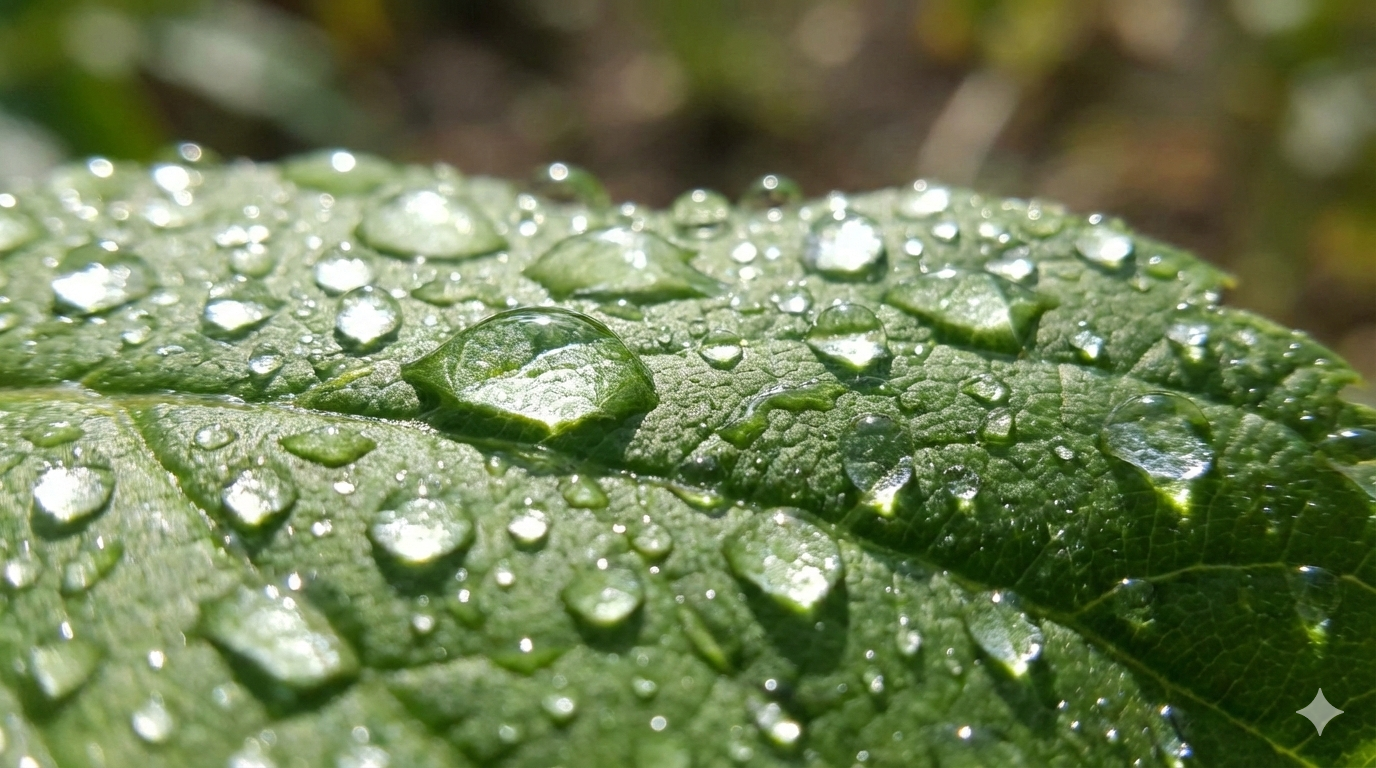
When the sticking force is strong, the water spreads out and “wets” the surface. This is why some surfaces get wetter than others. Think about a waxed car. The water beads up and rolls off because it would rather stick to itself than the wax. In that moment, is the car wet? Not really! The water is just sitting on top without actually soaking in.
Is Water Wet Scientifically?
If you ask a chemist, “is water wet?” they might give you a very long answer. Scientifically, wetness is the ability of a liquid to maintain contact with a solid surface. This is governed by a balance between those cohesive and adhesive forces we mentioned. If the liquid spreads out well, we say the surface is wet. It is a physical property of the interaction between two different things.
Most scientists argue that water itself is not wet. Instead, they say that water is a “wetting agent.” This means it is the tool that causes the state of wetness in solids. If you have a single molecule of water, it cannot be wet. It needs to be touching something else to create that effect. So, “is water wet scientifically?” The most common answer from experts is actually “no.”
The Molecular Structure of H2O
Water is made of two hydrogen atoms and one oxygen atom. This shape makes it a “polar” molecule. This means one side has a positive charge and the other has a negative charge. Because of this, water molecules are constantly pulling on each other. This pulling is what creates surface tension. You can see this when a small bug walks across a pond without sinking.
This internal pulling is a key reason why is water wet. Without these bonds, water wouldn’t stick to your skin or move up the roots of a tree. It would just bounce off everything like tiny dry beads. The very thing that makes life possible on Earth is also the reason we have this big debate. Water’s “stickiness” is its most important and famous quality.
Is Water Wet: Yes or No?
People love a simple answer. If you are in a hurry and ask, “is water wet yes or no,” the answer depends on who you ask! If you are a poet or a normal person walking in the rain, the answer is “yes.” It feels wet, it looks wet, and it makes you cold. Why overcomplicate things? In our daily lives, calling water wet is just common sense.
However, if you are in a science classroom, the answer might be “no.” The teacher might say that wetness is a description of a solid’s interaction with a liquid. Water cannot “wet” itself because it is already a liquid. It is like asking if fire is burnt. Fire causes things to burn, but the flame itself is not “burnt.” This logic is a very strong argument for the “no” side.
The “Is Water Wet” Joke and Meme Culture
The question “is water wet ?” became a massive viral sensation a few years ago. It turned into a meme that friends would use to start playful arguments. People would post videos shouting about their opinions. It is the kind of debate that never ends because both sides have good points. It is less about the science and more about how much fun it is to disagree.
Often, the “is water wet joke” is used to break the ice. It is a “shower thought” that makes people pause their day. Some people say that water is wet because it’s always touching more water. Others say that’s like saying a group of people is “crowded” when it’s just one person in a room. Whether you take it seriously or not, it’s a great way to spark a conversation.
Does Temperature Change Wetness?
Does ice feel wet? Usually, only if it is melting. If you touch an ice cube that is very, very cold, it might actually feel dry and sticky. This is because the water is in a solid state. It isn’t until the surface starts to turn back into a liquid that it feels “wet” again. This adds another layer to our big question: “is water wet?“
Steam is another interesting example. Steam is water in a gas form. While it can feel damp if it condenses on your skin, the gas itself behaves differently than a liquid. This shows that wetness is mostly a property of the liquid state of matter. When water changes its form, it changes how it interacts with the world around it. This is a vital part of understanding the nature of moisture.
Why Do Some Liquids Feel “Wetter” Than Others?
Not all liquids are the same. If you dip your hand in oil, it feels different than water. Some liquids have lower surface tension. These liquids can get into tiny cracks and pores more easily. In the world of cleaning, scientists actually use “wetting agents” to make water “wetter.” This helps the water soak into clothes to get them cleaner.
This proves that wetness is a scale. If water can be made “wetter,” then our original question, “is water wet?” becomes even more interesting. It suggests that wetness is a variable quality. It depends on the chemicals in the water and the surface it is touching. Pure water is very good at wetting things, but it isn’t the only liquid that can do the job.
How Animals Perceive Water
Have you ever seen a dog shake off after a bath? They are very aware of being wet. For many animals, being wet is a matter of survival. Fur and feathers are often designed to keep water away from the skin. A duck’s feathers have special oils that make water bead up. To a duck, water might feel like it’s just sliding by, rather than “wetting” them.
Insects also have a different view. Because they are so small, surface tension is a giant force. A single drop of water can be like a heavy trap for a tiny ant. They don’t worry about “is water wet” in a philosophical way. They deal with the physical reality of water’s stickiness every single day. Their perspective reminds us that the “feel” of water depends on your size.
The Role of Water in Our Daily Lives
We use water for everything. We drink it, wash with it, and cook with it. Because it is so common, we rarely stop to think about its properties. Understanding “why is water wet” helps us appreciate the world. It explains why a damp cloth cleans better than a dry one. It explains why our skin gets wrinkly in the bathtub. It’s all about those tiny molecules working hard.
Water is the “universal solvent.” This means it can dissolve more substances than any other liquid. This is only possible because of its “wetting” ability. It gets in between the molecules of salt or sugar and pulls them apart. This makes water the most important liquid on our planet. Whether you think it is wet or not, we couldn’t live without it.
Settling the Argument for Good
So, after all this, is water wet.? If you are looking for a definitive answer, here it is: It depends on your definition. If “wet” means “consisting of liquid,” then yes, water is wet. If “wet” means “a solid covered in liquid,” then water is not wet, but it makes everything else wet. Both sides are technically correct depending on the context you use.
For most people, the “is water wet scientific answer” is the most satisfying. It treats water as a force of nature. It is the master of wetness. In a casual setting, feel free to say “yes” and keep the conversation moving. In a science lab, maybe stick to the “no” and explain the physics. Either way, you now have all the facts to win your next debate!
Frequently Asked Questions
Is water wet or dry?
Water is a liquid, so it is never dry. Dryness means there is no liquid present. Most scientists believe water is not wet itself, but it is the substance that makes other solid objects wet when it touches them.
Why is water wet?
Water feels wet because of its surface tension and its ability to stick to surfaces. Our brains interpret the combination of cold temperature, lack of friction, and pressure as the sensation of “wetness” when we touch it.
Is water wet yes or no?
There is no single “correct” answer. From a common-sense perspective, the answer is yes. From a strict scientific or linguistic perspective, the answer is often no, because wetness is a state that occurs when a liquid adheres to a solid.
Is water wet scientifically?
Scientifically, wetness is defined as a liquid’s ability to adhere to a solid surface. Since water is a liquid and not a solid, many scientists argue that it cannot be wet. It is simply the agent that causes wetness.
Is water wet or is it just a joke?
It started as a fun internet joke and meme. People enjoy arguing about it because it challenges how we use language. While it is a popular joke, it actually involves real physics and chemistry.
Can water be “wetter” than it already is?
Yes! By adding chemicals called surfactants, you can lower the surface tension of water. This allows the water to spread out more and soak into materials faster, effectively making it “wetter” for cleaning purposes.
Conclusion: The Final Drop
We have covered a lot of ground today. From the tiny molecules of H2O to the way our brains feel the cold, the question “is water wet” is a great way to learn about the world. It shows us that even the simplest things can be complex when you look closely. Whether you are on team “Yes” or team “No,” the most important thing is the science behind it.
Leave a Reply