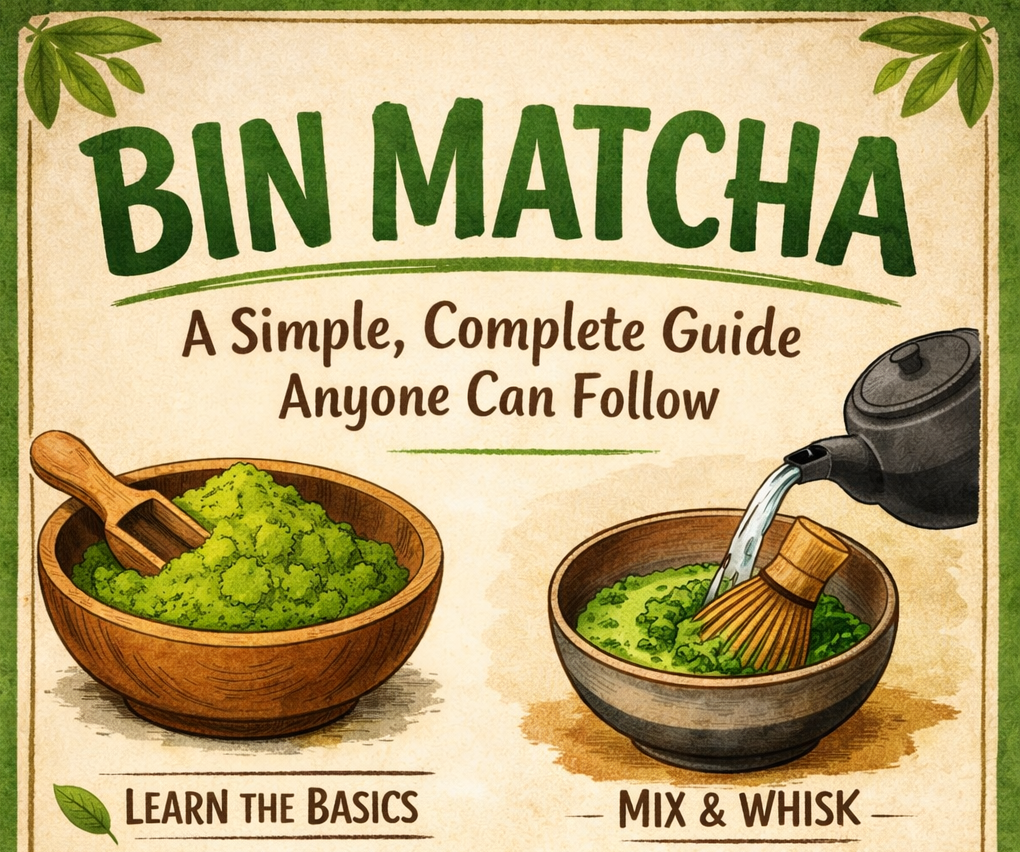
Bin Matcha: The Clear, Helpful Guide People Keep Searching For
If you keep seeing bin matcha online and wondering what it means, you’re not alone. This guide explains it in plain English, then shows you how to choose, store, and enjoy matcha with a smooth taste and clean texture—without overcomplicating anything.
What “Bin Matcha” Really Means
Bin matcha is a phrase people often use to describe matcha that is stored in a sealed container or “bin” so it stays fresh and easy to use every day. You may see it in café talk, product listings, or casual matcha communities where the focus is simple: keep the powder protected from heat, light, air, and moisture. Because matcha is finely milled tea leaf, it can lose flavor fast when it sits open or absorbs humidity. That is why the “bin” idea matters. Instead of chasing a label, you get better results by choosing a fresh, bright green matcha and storing it the smart way. When you do this, bin matcha becomes a reliable daily drink you can count on for consistent taste and color.
Why Bin Matcha Is Trending in the USA
More people in the USA are building daily routines around matcha, and the phrase bin matcha fits that lifestyle. It sounds practical, quick, and beginner-friendly, which is exactly what many new matcha drinkers want. Some people want a calm energy boost without feeling overstimulated. Others want a warm ritual that feels clean and relaxing. The rise of iced matcha lattes also plays a role, because lattes need a powder that holds up with milk. When people buy matcha more often, they also learn a key truth. Freshness makes a huge difference. So “bin” storage habits become part of the conversation, and the term grows faster through daily use and word-of-mouth.
Bin Matcha vs Ceremonial vs Culinary
Many people try to place bin matcha into a strict grade, but it is better to think of it as a daily-use style. Ceremonial matcha is often chosen for whisking with water, with a smoother taste and lower bitterness. Culinary matcha is often used for baking and strong mixes, with bolder flavor that works well with sweet ingredients. Daily matcha sits between them. It can taste smooth enough for water, yet strong enough for lattes. That balance is why so many people treat it as bin matcha. Labels can vary by brand, so the strongest sign is still freshness, color, smell, and the taste you get in your cup.
Taste and Texture: What a Good Cup Should Feel Like
A good cup of bin matcha should taste fresh and clean, with a soft green note and a gentle sweetness. Some matcha has an umami taste that feels creamy and full. Bitterness can happen, but it should not feel harsh or dusty. Texture is just as important as flavor. The drink should feel smooth, not sandy, and it should not have heavy clumps. Clumps usually form when the powder absorbs moisture or when it is not sifted. The easiest fix is simple: sift first, use warm water, and whisk with quick strokes. When your method is steady, your matcha tastes steady too.
What People Want From Bin Matcha
People often choose bin matcha because it fits a busy day while still feeling special. Many drink it for steady energy and a focused mind. Some enjoy it because it feels lighter than coffee. Others love the taste and the calming routine of whisking. Matcha also contains natural plant compounds that people connect with wellness habits, which is why it appears in so many morning routines. Still, the biggest reason it becomes a favorite is simple. It can feel good and taste great when it is prepared correctly. When you store it well and use the right water temperature, the drink becomes smooth, consistent, and enjoyable.
How to Choose Quality Bin Matcha Without Guessing
Buying bin matcha becomes easy when you follow a clear checklist. Start with color. Good matcha looks vibrant green, not dull or brownish. Next, smell it. It should smell fresh, green, and slightly sweet. Then check the packaging. Matcha should be sealed well to reduce contact with air and light. Also buy a size you can finish in a reasonable time. Large bags can lose freshness before you use them up, even if your storage is decent. Finally, match your matcha to your goal. If you want straight tea, choose smoother matcha. If you want lattes, a slightly stronger matcha can taste better with milk.
The Storage Rules That Keep Bin Matcha Fresh
Storage is where most people accidentally ruin bin matcha. Matcha hates heat, light, air, and moisture. So your goal is to block those four things every day. Use an airtight tin or container, and keep it in a cool, dark place. Avoid areas near the stove, sunlight, or strong-smelling spices. Also use a dry spoon. A wet spoon can introduce moisture that creates clumps and dull flavor over time. If you store matcha in the fridge, keep it sealed tightly and let it reach room temperature before opening. That simple step helps prevent condensation inside the container.
Tools You Need (And What You Can Skip)
You can make bin matcha with simple tools, and you do not need a complicated setup. A fine mesh strainer helps remove clumps. A small bowl gives you space to whisk smoothly. A bamboo whisk is great for foam and texture, but a small milk frother can also work for daily drinks. A measuring spoon helps you stay consistent so your cups do not taste different each day. What you can skip at first is expensive tea bowls or fancy scoops. The most important thing is keeping tools clean and dry. When you keep your powder protected and your method consistent, your matcha becomes easy and reliable.
How to Make Bin Matcha Smooth: Step-by-Step
Making bin matcha feels simple when you use the same steps each time. First, sift one to two teaspoons into a bowl. Sifting prevents clumps and makes whisking faster. Next, add a small splash of warm water. Avoid boiling water because it can pull out harsh flavors. Then whisk quickly in a “W” motion until the liquid looks smooth and slightly foamy. After that, you can drink it as a straight tea by adding more warm water. If you prefer a latte, add warm milk after the matcha is fully mixed. This approach keeps the texture creamy and helps the flavor taste clean instead of muddy.
Easy Recipes: Lattes, Iced Drinks, and Smoothies
Once you can mix a smooth base, bin matcha becomes the start of many easy drinks. For a latte, whisk matcha with warm water first, then add warm milk. For an iced latte, whisk with warm water, pour over ice, and add cold milk. If you want sweetness, mix honey or syrup into the warm matcha base so it blends evenly. For smoothies, matcha pairs well with banana and vanilla flavors. Use a smaller amount at first because the taste can be strong. If you want a clean iced tea style drink, whisk matcha with warm water and then add cold water and ice. This gives a bright, refreshing cup that feels light and smooth.
Common Mistakes That Make Matcha Taste Bad
Many people think they dislike bin matcha when the real issue is a small mistake in the process. The biggest mistake is using boiling water, which can make matcha taste harsh. Another common issue is skipping the sift, which leads to gritty clumps. Poor storage is also a big problem. If matcha sits open or near heat, it can lose color and aroma fast. Using a wet spoon is another hidden mistake that introduces moisture and creates clumping. Finally, using too much matcha can overwhelm your cup and make it taste heavy. Small adjustments fix these issues quickly, and the drink becomes smoother and more enjoyable.
Bin Matcha Table: Types, Uses, Taste, and Best For
This table helps you choose the right matcha based on how you plan to use it. Many people treat bin matcha as daily matcha that works for both tea and lattes. Use this as a simple guide to avoid confusion and pick what fits your routine best.
| Type | Best Use | Taste Style | Color | Best For |
|---|---|---|---|---|
| Ceremonial Style | Whisked with water | Smooth, gentle, low bitterness | Very bright green | Pure matcha tea |
| Daily Matcha (Often Called Bin Matcha) | Tea or lattes | Balanced, slightly bold, still smooth | Bright to medium green | Everyday routine |
| Culinary Matcha | Baking and strong mixes | Bold, more bitter, strong flavor | Medium green to olive | Desserts and smoothies |
| Café Blend | Milk-based drinks | Designed to pair with milk | Medium green | Iced lattes and flavored drinks |
| Budget Matcha | Heavy mixes only | Often flat or harsh | Dull green | Rare use, masked recipes |
A Simple Daily Routine That Makes Bin Matcha Easy
The best way to enjoy bin matcha is to keep your routine simple and repeatable. Pick one time of day, like morning or early afternoon, and stick to the same steps. Keep your matcha container sealed and close by, but away from heat and sunlight. Keep a small strainer and whisk in the same place so you do not search for tools each day. Use a consistent amount of matcha so the taste does not change randomly. When you do this, matcha becomes a calm habit instead of a messy task. Over time, you will notice what you like most, whether that is a lighter tea, a thicker cup, or a creamy latte.
Frequently Asked Questions
These answers are written to be simple, direct, and helpful. If you are new to bin matcha, this section clears the most common confusion quickly.
1) Is bin matcha an official matcha grade?
2) Why does my bin matcha taste bitter?
3) Should I keep bin matcha in the fridge?
4) How do I mix matcha without a whisk?
5) Can I use bin matcha for baking and desserts?
6) What is the easiest way to improve matcha taste today?
Final Thoughts
Bin matcha becomes enjoyable when you treat freshness and method as part of the drink. Keep it sealed, keep it dry, and keep it away from heat and light. Mix it with warm water first, whisk quickly, and then build your drink the way you like. When you follow these simple habits, your matcha becomes consistent instead of unpredictable. Start with one easy cup today, then try a latte tomorrow. In a week, you will know your favorite style and your best routine, and your matcha will feel like a daily win.
Leave a Reply